Step into any bustling abode kitchen or eating place, and finally the question of cookware desire comes up. When it involves woks - the middle and soul of stir-fries, fried rice, and most more - chefs find themselves making a choice on among solid iron and carbon metal. Both have deep roots in culinary background. Both can produce mouthwatering consequences. Yet, their transformations are far from trivial.
Having cooked professionally in wok stations and experimented at dwelling house for many years, I even have obvious firsthand how each one cloth shapes not simply the meals, yet also the rhythm and feel of cooking. This is absolutely not with no trouble a remember of custom as opposed to trend. The alternative among a cast iron wok and a carbon metal one touches on style, process, repairs, or even very own sort inside the kitchen.
The Character of Each Material
Cast iron and carbon steel proportion a convinced historic-global appeal. They the two require seasoning - it really is, constructing up a layer of polymerized oil for maintenance and nonstick residences. They the two eschew brilliant hues and man made coatings. Yet they diverge in composition and conduct.
Cast iron is dense and heavy. Traditional Chinese cast iron woks should be strangely skinny-walled in contrast to Western skillets, but having said that, they hold warmness with obdurate tenacity. Carbon metallic is lighter and extra responsive. It heats up right now and cools down simply as fast. The change seriously isn't sophisticated. Slide your hand along every, and that you may sense it: the silky patina developing on good-used carbon metal, the granular texture of professional solid iron.
A conventional carbon metal wok broadly speaking weighs among 2 and 5 pounds for a 14-inch style. Its solid iron counterpart would tip the dimensions towards 7 kilos or greater. For some cooks, that heft feels reassuring. For others, it method fatigue after a few minutes of tossing noodles.
Stir-Frying: Speed Versus Stability
The center of wok cooking lies in stir-frying. High warm, fast move, and certain keep an eye on are mandatory. Here, carbon steel shines. A reliable carbon steel wok can cross from room temperature to blazing sizzling in below a minute on a acceptable burner. That immediate response is valuable whilst you want to sear aromatics or toss vegetables so that they keep crisp-delicate.
Cast iron’s slower warmth-up time may also be a limitation for this variety. However, as soon as it truly is scorching, it stays hot. For dishes that benefit from sustained, even heat - assume shallow frying or a frittata-like egg foo younger - forged iron’s thermal mass is an advantage. In busy kitchens with underpowered stoves, that retention can make a big difference. You can drop in a extensive handful of bloodless materials with no wasting your sizzle.
Personal experience: I nevertheless depend my first try at pad thai on a forged iron wok. The noodles steamed instead of seared. I found out too overdue that my homestead stove conveniently couldn't muster adequate heat for that heavyweight vessel. Swapping to carbon metallic solved it. The distinction turned into quick: charred edges on tofu, snappy bean sprouts, and not a trace of sogginess.
Seasoning and Maintenance
Both forms demand care. Seasoning isn't very non-obligatory; it's miles fundamental for efficiency and sturdiness.
Carbon metal seasons soon. After burning off the manufacturing unit oil and utilizing your possess layer (flaxseed oil is wide-spread, nonetheless lard or canola paintings simply as well), you can actually get a thin patina after simply about a stir-fries. The floor grows slick with use. If you by chance scour simply by the seasoning, it is easy to rebuild. Most cooks in simple terms wipe the wok with oil after cleaning and revisit prime-warmth seasoning sometimes.
Cast iron woks boost seasoning more slowly. The pores within the steel can trap moisture in the event you aren't diligent about drying and oiling after every use. In humid climates, rust can creep in in a single day. On the flip aspect, once confirmed, a cast iron seasoning can face up to extra abuse: greater oven temperatures, deeper scrubbing. There is something deeply pleasing about the deep black sheen of an ancient solid iron wok, facts of loads of nutrients cooked and shared.
One facet case: if you happen to cook acidic dishes (tomato-based mostly sauces, vinegar-heavy stir-fries), each fabrics can lose a few seasoning. Carbon steel reacts quicker, leaving behind metallic flavors in the event you linger. Cast iron is more forgiving yet still benefits from on the spot cleansing after acidic foods.
Everyday Practicalities: Handling and Storage
A wok is not very only a cooking floor. It is a instrument supposed to be wielded. Here is wherein weight and address design remember. Most carbon metal woks come with a single long care for (the “Northern” form) or two small loop handles (the “Cantonese” form). Cast iron woks more often than not characteristic the dual handles owing to their heft. If you intend to toss delicacies with one hand, carbon steel is greatly more manageable. Even 15 mins into a hectic dinner service, my fingers on no account tire with a 3-pound carbon steel wok. Cast iron calls for two palms or a strong wrist, exceptionally while aiming for these dramatic tosses that aerate and sear at the same time.
Storage is yet one more thing. Carbon metal’s lighter construct enables you to dangle it on a pot rack or slip it into tight areas. Cast iron’s bulk may also be unwieldy. Some cooks stay their solid iron wok permanently on the stove as a kind of badge of honor (and as an excuse to apply it at all times). Neither subject material have to be left wet or stacked with other pans; moisture is the enemy.
Heat Sources and Versatility
Not each and every kitchen has a roaring gas burner. In truth, many domicile cooks make do with electric powered coils or induction hobs. Both types of wok may well be adapted, yet with caveats. A flat-bottomed carbon metal wok works neatly on electric powered or induction. Round-bottomed fashions can wobble dangerously except you operate a wok ring, which may sap heat from electric powered stoves.
Cast iron’s even base makes it extra forgiving on glass-height ranges. Its weight ensures full contact with the burner. That pointed out, most induction cooktops have sensors which will now not identify thinner carbon metallic woks except they make remarkable touch. Cast iron is less fussy right here.
Beyond stir-frying, both woks can manage deep-frying, steaming (with a bamboo or steel rack), simmering stews, and even roasting peanuts or coffee beans. The solid iron wok excels at initiatives in which continuous, enveloping heat is wanted. Carbon metallic is unbeatable for immediate searing or after you desire to difference temperatures shortly.
Flavor and Wok Hei
Every cook chasing factual Chinese flavors has heard of “wok hei” - that elusive breath of the wok. It is a made of critical warmness, quick action, and smoky aroma. Carbon metal is as a rule credited with making this achieveable at homestead. Its thin partitions can achieve temperatures above seven-hundred°F in case your burner is up to the undertaking. You can see onions blister nearly immediately, odor garlic caramelize formerly it has a possibility to burn.
Cast iron can carry some wok hei in the correct hands, chiefly with adequate preheating. But because it loses warmth less directly while cold parts hit the pan, nutrients could steam as opposed to sear except you're employed in small batches and supply loads of time for restoration. In restaurants with mega-BTU burners, cooks infrequently use solid iron for large batch cooking the place consistency issues greater than cut up-second searing.
Anecdotally, my very own tries at Cantonese-sort fried rice tasted dull unless I switched to carbon metallic. The change turned into no longer much in nonstick capability yet in that elusive smoky word - demanding to explain however all of the sudden recognizable once you've got you have got tasted it.
Cleaning Up: Myths and Realities
There is a continual fantasy that woks have to on no account be washed with soap. In reality, slight cleaning soap is positive provided that you rinse appropriately and dry instantly. The fundamental threat is scrubbing away seasoning or letting water linger long adequate to rust both steel.
After stir-frying in carbon metallic, I basically rinse with hot water and wipe dry over low warmness. Occasionally I will use a smooth sponge with a drop of soap if there's caught-on residue. For cast iron, the job is similar but demands more vigilance about drying; trapped water less than the seasoning layer can trigger pitting rust overnight.
For equally sorts: not ever soak overnight. Never run thru the dishwasher. Never shop with no oiling lightly. These law sound strict however turn out to be 2d nature after just a few weeks’ use.
Durability and Longevity
With applicable care, either form can final generations. Carbon metal is much less brittle; this may warp underneath excessive warm or neglect yet infrequently cracks. Cast iron is robust yet can fracture if dropped onto tile or stone flooring. I even have observed century-historic solid iron woks handed down by using families in Guangzhou as heirlooms, their surfaces glassy-smooth from decades of every day foodstuff.
With heavy use (restaurant kitchens firing hundreds of dishes in line with night), carbon steel woks may additionally desire replacing each and every few years with the aid of thinning or warping. In homestead kitchens, each kinds are characteristically lifetime investments.
Cost and Availability
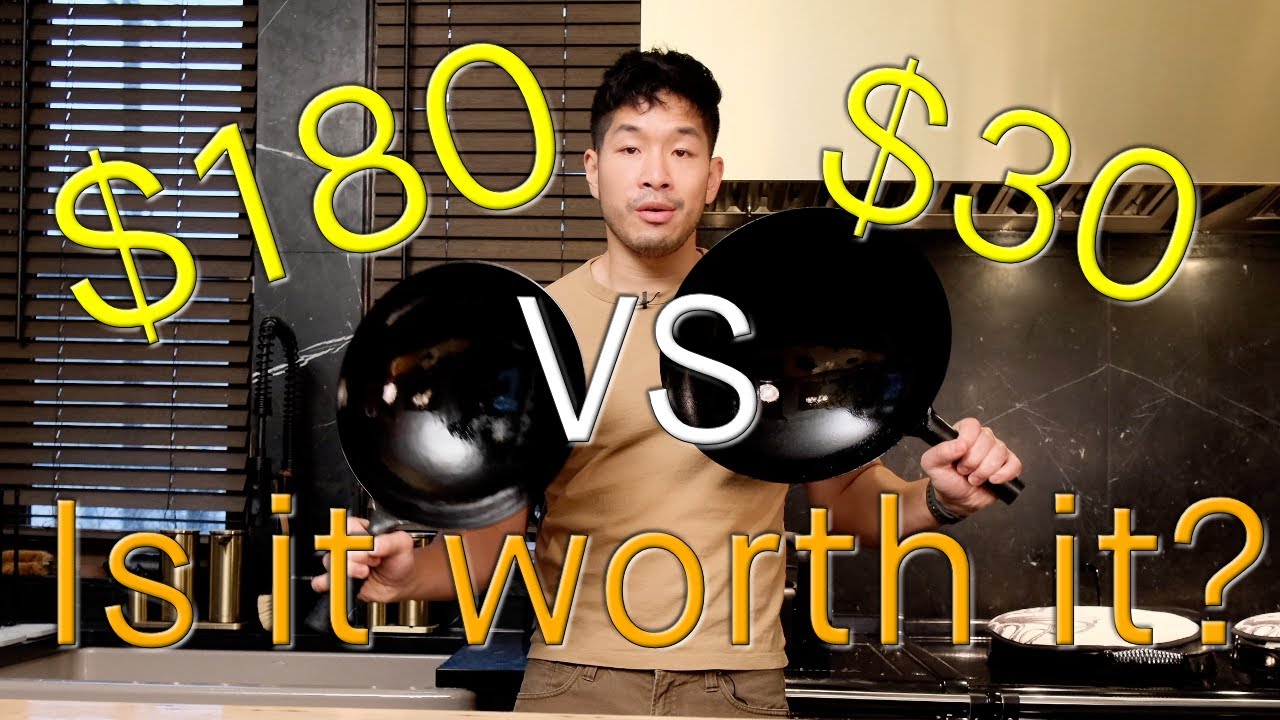
For most home cooks in North America or Europe, brilliant nice carbon steel woks are extensively achieveable and relatively least expensive. Expect to pay at any place from $30 to $70 for a nicely-made 14-inch kind. Cast iron woks are much less traditional outdoors Asia yet would be observed on line or simply by distinctiveness importers. Prices range commonly: traditional hand-hammered Chinese solid iron woks can money $40 to $one hundred or greater; Western brands routinely run upper attributable to branding or completing touches.
Some mass-marketplace “forged iron woks” are truly deep skillets with rounded sides rather then properly woks; those lack the thinness and shape considered necessary for correct Chinese methodology.
When Each Shines: Matching Wok to Task
It is tempting to claim a winner between forged iron and carbon steel. The actuality is greater nuanced. Each excels less than distinctive circumstances.
Here is a fast reference whilst making your determination:
| Task | Cast Iron Wok | Carbon Steel Wok | |-----------------------------|---------------------------|-------------------------| | High-warm stir-frying | Serviceable (with time) | Excellent | | Deep-frying | Excellent | Excellent | | Steaming | Very desirable | Very great | | Simmering/soups | Excellent | Good | | Egg-structured dishes | Excellent (with seasoning)| Good | | Tossing cuisine | Difficult (heavy) | Easy | | Use on induction/electrical | Good (flat base) | Very good (if flat) | | Achieving wok hei | Possible (with patience) | Best |
This desk simplifies actuality truly. For illustration, in case your most effective stove is electrical and low-powered, cast iron might come up with higher consequences by means of preserving heat longer. If you price immediate temperature shifts or plan to cook dinner basic Cantonese boulevard nutrients at domicile, carbon metal will think like an extension of your hand.
Common Pitfalls and How to Avoid Them
Every cook dinner has made rookie error with woks. Here are 5 sensible counsel (in checklist style for clarity):
Preheat utterly until now adding oil or nutrients; equally metals perform leading while scorching satisfactory to shimmer oil at this time. Dry abruptly after washing to stop rust; go away over low warmness for a minute or two. Use ample oil in the course of preliminary seasonings; skimping ends up in patchy surfaces. Avoid cooking incredibly acidic foods until seasoning is properly-advanced. If rust seems, scrub gently with metallic wool and re-season; do now not panic.The Personal Factor: How Cooking Feels
In the cease, cookware picks are deeply individual. Some chefs love the ritual heft and background of solid iron. Others get pleasure from the nimbleness of carbon steel. For me, carbon steel is my familiar significant other - pale enough for frantic weeknight dinners yet mighty satisfactory for occasion-sized https://laneghyi199.theglensecret.com/pros-and-cons-of-cast-iron-woks-vs-carbon-steel-woks fried rice feasts. But whilst making mapo tofu or simmering a batch of pink-cooked beef abdominal, I succeed in for forged iron whenever.
If you favor items and repairs workouts, forged iron gives you a profitable travel towards perfection. If you would like minimum fuss and greatest velocity, carbon metallic will store tempo with your creativity.
Final Thoughts: Which Should You Choose?
There is no single most interesting solution inside the “Cast Iron Wok vs Carbon Steel” debate. The so much flexible kitchens in many instances have equally inside arm’s reach. For freshmen or those limited via finances or storage house, begin with carbon metallic unless you may have a specific cause (which includes electric powered-in basic terms cooking or a hobby for sluggish braises) to want solid iron.
Season your wok with persistence and care. Cook mostly ample that it by no means gathers dust. Over time, you'll construct not just taste however self assurance - and possibly skip down your prominent wok to an extra new release of enthusiastic chefs.