Stir-frying over a warm flame, coaxing out the elusive wok hei aroma, or sluggish-braising a fragrant stew - these are extra than cooking ways. They are rituals, passed down by way of households and fashioned by way of generations of cooks. Central to these traditions stands the wok, a vessel both humble and endlessly versatile. Yet even among pro house cooks, the question lingers: is a forged iron wok or a carbon metallic wok the greater better half inside the kitchen?
This selection seriously is not a primary depend of textile. It’s approximately how you prepare dinner, what flavors you search, or even in which you are living. Having cooked with the two forms for years, in cramped residences and spacious residence kitchens, I’ve viewed how every one rewards and demanding situations its user. Let’s look carefully on the forged iron wok vs carbon metallic wok debate, drawing not simplest from technical specifications however additionally from the lived sense of each day cooking.
The Wok: More Than Just a Pan
A wok is not simply an Asian frying pan. Its rounded form, sloped aspects, and deep bowl are designed for tossing food over excessive warmness, maximizing the Maillard response, and allowing a number cooking tools: stir-frying, steaming, braising, deep-frying, even smoking. This versatility makes the alternative of subject material peculiarly most important.
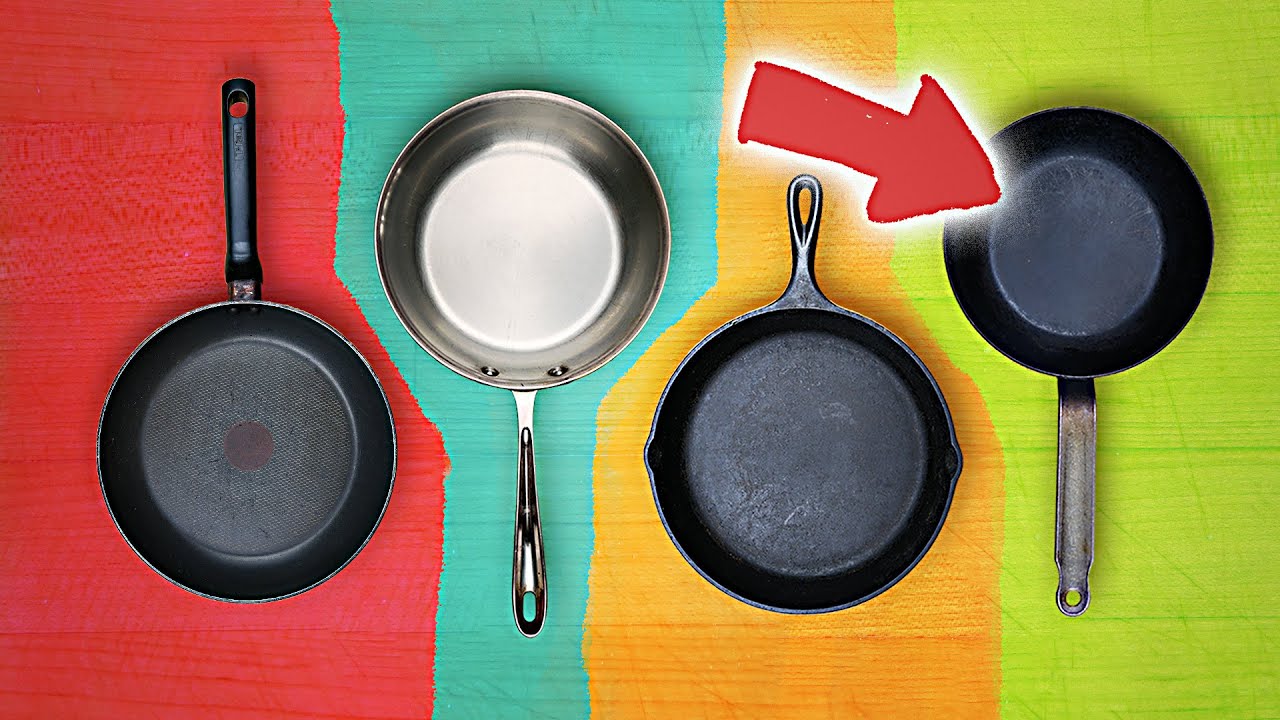
While progressive kitchens provide the whole lot from nonstick to stainless steel woks, cast iron and carbon metal remain the gold principles amongst traditionalists and specialists alike. Each brings its personal set of strengths and quirks to the desk.
Material Basics: What Sets Cast Iron and Carbon Steel Apart
At first glance, the two constituents provide that coveted sear and improve a herbal nonstick floor with use. But their underlying properties vary in methods that form each factor of the cooking trip.
Cast iron is an alloy with a upper carbon content material, making it hard yet brittle with the aid of nature. Chinese solid iron woks are most often thinner than their Western skillet counterparts however still kind of heavy. They keep heat fantastically effectively and distribute it evenly as soon as sizzling, though they do take longer to warmness up.
Carbon steel, through distinction, incorporates much less carbon and is extra malleable. Woks produced from carbon steel are lighter, warm up straight away, and respond essentially automatically in case you modify the flame. However, they don’t hold onto heat as stubbornly as solid iron does.
Neither textile is stainless or rust-facts. Both require seasoning - that task of building up polymerized oil layers to create a protecting, semi-nonstick coating - and each call for care to prevent rusting or stripping that beneficial surface.
Handling and Weight: The Feel in Your Hands
The first time you elect up a classic forged iron wok, you'll be shocked through its heft. Even the lighter Chinese types can weigh from 4 to 7 kilos for an ordinary 14-inch wok. Western cast iron woks (like those made via Lodge) can weigh greater than 10 pounds. For a few cooks, this solidity brings self assurance - the wok sits stable at the burner and retains heat right through full of life frying.
But for those who desire to toss delicacies readily or lift the wok with one hand, carbon metal is tons extra forgiving. A regular 14-inch carbon metallic wok might weigh just 2 to 3 pounds. This agility facilitates for speedy tossing and shaking, most important for accomplishing that signature “wok hei” style in Cantonese stir-fries.
I don't forget educating a gaggle of children to cook their first stir-fry. With the cast iron wok, even the most powerful among them hesitated to lift and tilt it for plating. When we switched to carbon metal, all of us may want to turn the additives with self assurance. For dwelling house cooks with smaller arms or much less top frame power, or for any one with wrist concerns, the distinction seriously isn't trivial.
Heating Behavior: Speed Versus Stability
In lifelike terms, solid iron woks excel at warm retention. Once brought up to temperature, they shield a consistent, even warmness throughout the floor. This makes them most popular for deep-frying or gradual braises - the temperature doesn’t drop dramatically when cold ingredients are additional.
However, that identical estate shall be a problem for prime-heat stir-frying. Cast iron heats slowly and takes time to settle down. If you misjudge and enable it get too sizzling, you possibly can burn aromatics beforehand you could have a risk to get well. Adjusting your flame affords handiest slow differences.
Carbon steel, nevertheless, is responsive and brief on its feet. It heats up in moments and cools down simply as quickly when the flame is lowered or delicacies is tossed out. This nimbleness provides you accurate handle, that is why expert Chinese kitchens almost universally use carbon metal woks over roaring fuel burners.
If your kitchen has a efficient gasoline range or really expert wok burner, carbon metallic means that you can make the so much of that warmth. In comparison, on weaker electric stovetops the place sustained heat is tougher to reach, forged iron’s thermal mass gives a worthy buffer.
Seasoning: Building and Keeping the Patina
Both kinds of woks require seasoning. This course of creates a layer of polymerized oil that stops rust and imparts some nonstick residences. Yet the benefit and sturdiness of that seasoning differ among cast iron and carbon metal.
Cast iron’s rougher floor texture supports oil polymerize and cling. With cautious use and known repairs, its seasoning can changed into basically bulletproof over months or years. The patina basically develops a glassy sheen paying homage to good-liked cast iron skillets.
Carbon steel starts off smoother however builds up seasoning soon. The coating will also be greater mild initially - competitive scrubbing or acidic sauces may perhaps strip it away until it will become nicely prevalent. On the plus side, re-seasoning a carbon metal wok is traditionally faster and much less intimidating.
One trick I realized from my grandmother: after each and every use, wipe a thin movie of oil onto a sizzling wok earlier storing it. This ritual, practiced for both materials, gradually builds a sturdy patina and assists in keeping rust at bay.
Cooking Versatility: What Each Wok Does Best
If your cooking leans closer to rapid, prime-warmth stir-fries with plenty of tossing and searing, carbon steel shines bright. It’s what Chinese eating place cooks reach for when chasing wok hei - that smoky, elusive aroma created with the aid of oil vaporizing on intensely warm metal.
Cast iron comes into its possess for slower dishes that get advantages from even heat and stability. Red-cooked red meat belly, braised tofu, or perhaps shallow frying spring rolls all praise cast iron’s capability to take care of temperature without scorching spots.
I’ve also found that forged iron woks excel for deep-frying in dwelling house kitchens with weaker burners. Once choked with sizzling oil, they shop the temperature consistent even if adding batches of cold cuisine - less possibility of soggy or greasy consequences.

Still, equally sorts carry out admirably across most concepts should you adapt your system. For example, while simply by carbon metal for braises or deep-frying, cook dinner over curb warmness and restrict surprising temperature swings.

Maintenance Realities: Cleaning, Rust, and Repairs
Neither wok is as carefree as modern day nonstick cookware. Water left on either will right away result in rust; lingering delicacies acids can strip seasoning; soaking overnight is unwell-cautioned. Yet these woks additionally advantages care with a long time of carrier.
Cast iron woks are most often more forgiving in case you slip up on occasion - minor rust or seasoning loss is additionally scrubbed off and re-pro with persistence. Their thick walls are much less vulnerable to warping beneath top heat.
Carbon metallic is extra at risk of warping if overheated dry or greatly surprised with chilly water whereas sizzling. Its thinner walls also suggest that deep pits or dents may also spell drawback quicker.
As for cleansing exercises: certainly not use cleaning soap unless you intend to re-season quickly after. Instead, scrub gently with scorching water and a gentle brush or bamboo wok whisk (the “wok chuan”). Dry utterly over low warmth and oil lightly in the past storing.
Real-World Use: The Learning Curve
Every prepare dinner faces an adjustment length while adopting a conventional wok - distinctly if moving from Western pans or nonstick surfaces.
With cast iron, patience is fundamental for the period of preheating and seasoning upkeep. You’ll learn to examine sophisticated cues: how lengthy until a drop of water skitters throughout the surface as opposed to hot out at once; while smoke indications “all set.” Once ingrained, these behavior was 2d nature.
Carbon steel calls for vigilance originally because its seasoning is fragile until eventually developed up by repeated use. Acidic dishes like tomato-dependent sauces can strip away your demanding paintings except your patina is utterly matured.
Both praise established use with higher functionality over time - an incentive to make stir-fried vegetables or fried rice component to your weekly rhythm.
Comparing Cast Iron Wok vs Carbon Steel Wok: At a Glance
For those that relish facet-by way of-side comparisons:
| Feature | Cast Iron Wok | Carbon Steel Wok | |-----------------------------|----------------------|---------------------| | Weight | Heavy (four-10+ lbs) | Light (2-4 lbs) | | Heat Retention | Excellent | Good | | Heat Responsiveness | Slow | Fast | | Ease of Tossing | Limited | Excellent | | Seasoning Durability | Builds slowly however lasts | Builds quickly but may strip | | Prone to Warping | Rarely | Occasionally | | Price (ordinary US marketplace) | $30-$eighty | $20-$50 | | Ideal for | Braising, deep frying| Stir-frying |
Choosing Based on Your Kitchen Setup
The proper wok ceaselessly relies upon as a great deal for your stove as your recipes.
Gas stoves with strong burners play properly with either drapery however release carbon metal’s full conceivable for fast tosses and wok hei taste bursts.
Electric coil or glass-exact stoves show demanding situations for normal round-bottomed woks inspite of subject matter - flat-bottomed models exist but generally tend to sacrifice a few tossing agility. Here, solid iron’s thermal mass is helping compensate for slow heating points.
If area is tight or your kitchen lacks robust air flow, take into accounts how ceaselessly you’ll choose to deep-fry or sear at prime warm indoors. A lighter carbon metallic wok is less difficult to move under awkward vent hoods or at cramped stovetops.
Upkeep Tips: Getting Decades Out of Your Wok
A effectively-cared-for wok becomes an heirloom - I’ve used carbon steel items that outlasted a number of apartments and two moves throughout nation strains.
Here’s a concise tick list for long-term care:
Always dry your wok correctly after washing. Apply a skinny layer of impartial oil at the same time as nonetheless hot. Avoid lengthy soaks or acidic meals until seasoning is mature. Store in a dry region; if stacking with other pans, location paper towels among to take care of the seasoning. Occasionally re-season as needed by heating with oil until eventually evenly smoking.Neglect those steps quite often adequate, and each forged iron and carbon metallic will punish you with rust or sticky patches; practice them regularly, and your wok will benefits you with decades of faithful carrier.
Flavor and Tradition: Beyond Technicalities
The debate among solid iron wok vs carbon metallic wok isn't very near to efficiency metrics or upkeep routines. It’s tied to subculture and memory.
When I seek advice from my aunt in Guangzhou, her battered carbon metallic wok consists of decades of history: ghosts of garlic fried in beef fat, scratches from bamboo spatulas wielded via impatient palms. In her kitchen, velocity concerns - dishes flow from flame to desk in mins flat.
By distinction, my neighbor in Taipei slow-braises pork noodle soup in her circle of relatives’s forged iron wok handed down from her mom. The heavy pot certainly not leaves the stove for the time of winter months; its depth and stability imbue both batch with warm temperature.
Both thoughts strike a cord in me that choosing a wok is as tons approximately own rhythm as technical specs.
When One Isn’t Enough
Some passionate chefs end up owning equally sorts for the several initiatives - through carbon steel for stir-fries on weeknights and breaking out solid iron for weekend braises or deep-fried treats.
If your funds or garage allows for best one wok, agree with your such a lot standard dishes and your kitchen ergonomics chiefly else.
Sourcing Your Wok: What to Look For
Whether deciding upon cast iron or carbon metal, seek for these features:
- A diameter of 12 to fourteen inches fits most homestead degrees. Traditional around-bottomed shapes excel on gas; flat-bottomed editions paintings bigger on electrical stoves. Welded or riveted handles furnish magnificent grip; timber handles stay cool yet may just need tightening over time. Avoid woks with chemical nonstick coatings - they lack longevity and minimize excessive-warmness searing.
The most competitive fee basically comes from restaurant delivery retailers or Asian markets in place of prime-quit agents; prices rarely exceed $50 for proper https://emiliotkek459.raidersfanteamshop.com/cast-iron-wok-or-carbon-steel-which-should-you-choose exceptional except you choose boutique brands.
The Verdict: Cast Iron Wok vs Carbon Steel Wok
No commonplace reply exists on the grounds that true kitchens run on particular person desires and conduct.
If you crave rapid stir-fries with smoky charred flavors and desire some thing pale sufficient for tossing and hassle-free flipping, carbon metallic receives my nod anytime.
If your recipes skew towards slow-cooked stews or deep-frying in which regular temperature reigns supreme - specially on less useful burners - forged iron remains unbeatable.
The cosmetic lies in how equally resources invite hands-on care and change into with use. Whichever route you decide on, your wok becomes no longer simply cookware however an extension of your hand and heritage - all set for whatsoever flavors look forward to your subsequent meal.