Stir-frying over a roaring flame, tossing glistening veggies and fragrant garlic, is one of several small joys of a abode kitchen. That signature sizzle and smoky style - wok hei, because the Cantonese call it - depends on either warmth and the pan itself. Most dwelling chefs succeed in a crossroads sooner or later: solid iron wok or carbon metal? The debate isn’t almost about lifestyle or aesthetics. It’s approximately performance, protection, and the way each and every materials shapes the foodstuff you serve.
Why this subjects for home cooks
The wok is more than a vessel. It’s a culinary tool, a conduit for prime warmth and rapid motion, and a centerpiece for circle of relatives-taste dining. Picking the wrong wok can imply frustration - heavy lifting, meals sticking, choppy warmth. Choose wisely, and also you’ll breeze via stir-fries, pan-fried dumplings, and even deep-fried treats. The cast iron wok vs carbon metal option is set matching your cooking flavor and kitchen truth.
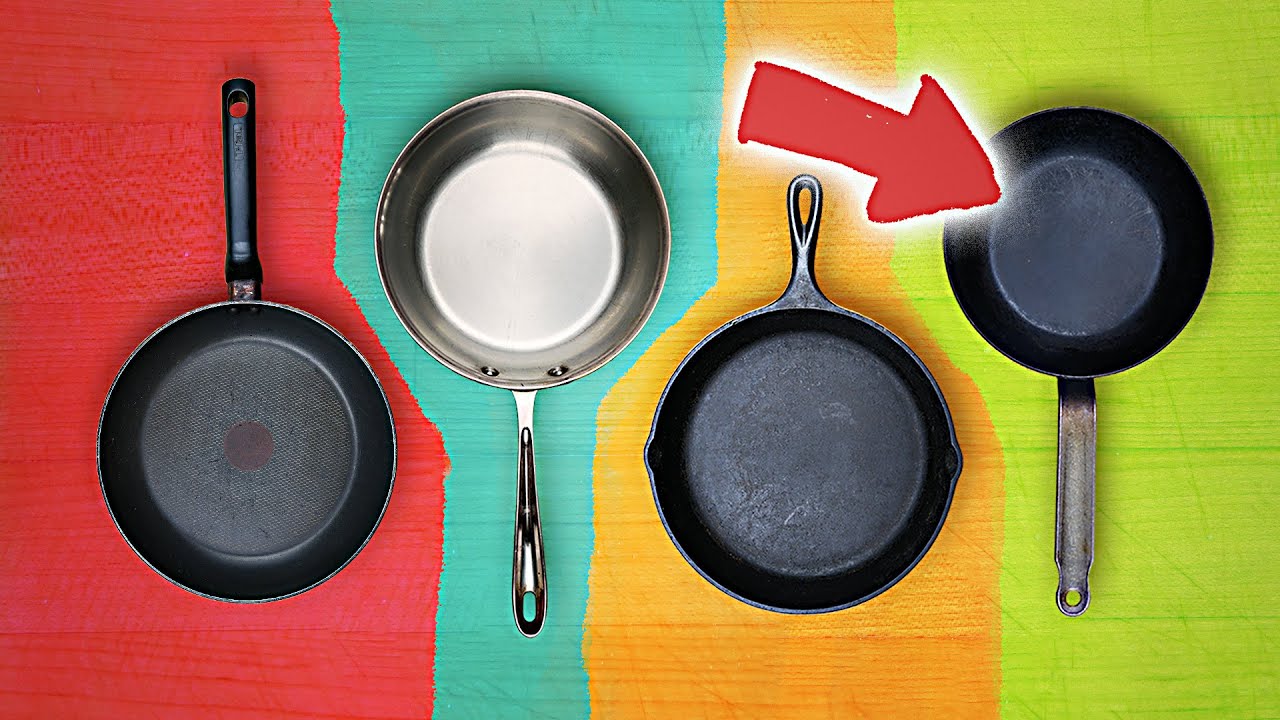
The nature of every material
Both forged iron and carbon metal are alloys, probably iron with a small percent of carbon. The nuances lie in how they’re made.
Cast iron woks are as a rule thick and heavy, made by using pouring molten iron into molds. This offers them a country, very nearly indestructible nice. They keep warmth for a long term but take longer to heat up. In China, forged iron woks more commonly have thinner walls than Western skillets - but even then, the heft is unmistakable.
Carbon metallic woks leap as skinny sheets pressed and hammered into structure. They are lightweight (mostly half or less the load of cast iron), and conductive, responding soon to adjustments in burner intensity. This is why expert kitchens essentially consistently achieve for carbon metal: velocity and agility depend for those who’re firing dissimilar dishes a evening.
How both wok feels in use
Imagine attaining in your wok to toss a medley of pea shoots, pork stomach, and chilies over a top flame.
With a cast iron wok, you’ll note the solidity today. The pan needs appreciate - it’s now not some thing you flick about one-surpassed except you’ve been doing this for years or have forearms like a blacksmith. But as soon as hot, it retains an excellent temperature throughout its floor. That’s a boon for deep frying or gradual braises; much less so for those who would like to tilt and swirl the pan mid-stir fry.
A carbon metallic wok feels nimble by using contrast. Even in larger sizes, it is easy to elevate it off the burner and participate in that vintage chef’s wrist-flick to tumble noodles or greens. It heats up fast - five mins on a good flame brings it to searing temperature - but loses warmth soon when you overload it with bloodless ingredients.
Seasoning: Not simply an afterthought
Both varieties require seasoning - a strategy wherein oil is baked onto the steel to https://felixuaja030.fotosdefrases.com/cast-iron-wok-vs-carbon-steel-for-gas-and-electric-stoves-1 create a common nonstick surface and protect against rust. The process is same but no longer equivalent.
Cast iron’s rougher surface texture is helping seasoning layer up promptly. After just two or 3 rounds of oiling and baking, you’ll understand a dark patina forming. That suggested, its porousness capacity it's going to take up flavors more deeply. If you ever scramble eggs after stir-frying fish, don’t be stunned if some residual aroma lingers.
Carbon metallic starts out silver-gray and slicker. It takes extra patience to accumulate a bulletproof nonstick coating - regularly quite a few months of usual cooking beforehand even eggs slide off effortlessly. But once centered, carbon metallic’s seasoning can transform glassy soft.
Realistically, the two fabrics need care: dry completely after washing, stay clear of cleaning soap if probably (a short rinse is ordinarily satisfactory), and re-oil flippantly previously storing.
Heat control and cooking results
The heart of wok cookery is serious heat: wok hei in simple terms develops while nutrients meets temperatures above 400°F (204°C). This is where the 2 resources diverge sharply.
Cast iron excels at protecting heat. Drop bloodless protein right into a hot cast iron wok and it won’t cool plenty - great for searing chicken thighs or pork slices with no crowding things. However, it additionally takes longer to respond once you need to dial down the temperature suddenly.
Carbon steel is responsive: crank up the gasoline and it follows; flip it down and it cools directly. That makes it higher acceptable for smooth maneuvers like pausing between batches or switching from prime-warmth stir-frying to comfortable simmering in one session.
For maximum domicile fuel burners lower than 20,000 BTUs (most are among 8,000-15,000), the two parts can work effectively sufficient if preheated precise. On electric stoves or induction cooktops, forged iron’s flat backside may also sit down better on the factor; circular-bottomed carbon metallic woks almost always desire wonderful earrings or adapters.
Everyday preservation: What’s functional?
Owning a wok isn’t set-and-forget. Both ingredients demand occasional awareness past seasoning.
Cast iron woks can enhance rust spots if disregarded overnight or left wet after washing. A little salt scrub many times fixes minor blemishes, however intense rust could require stripping down the seasoning absolutely and commencing over - tedious paintings fine have shyed away from with the aid of drying right now and oiling afterward.
Carbon metallic has related vulnerabilities however is just a little much less forgiving owing to its thinness; rust can eat by way of faster if left unchecked. However, for the reason that they are lighter and smaller (generally as thin as 1-2mm), cleansing feels more convenient every day.
An anecdote from my own kitchen: I once left each forms out overnight after a party - one damp forged iron wok grew orange freckles alongside its rim; the opposite (a pro carbon metal) evolved faint streaks I wiped away with vinegar and re-seasoned promptly at the stove.
Durability over years of use
A well-made forged iron wok can remaining generations with minor care - I’ve cooked on person who belonged to my grandmother, its bottom worn mushy via decades of flames but still authentic as ever. Dropping one might chip or crack it (although that's rare except mishandled) because of the its brittleness when compared to metal.
Carbon metal woks not often spoil outright however can warp if overheated while empty or exposed to sudden temperature swings (imagine rinsing a flaming-scorching wok beneath bloodless faucet water). Their handles would possibly loosen over time when you consider that they’re riveted as opposed to forged as one piece; tightening them is easy with primary methods.
Neither textile fares well within the dishwasher - the two will lose their seasoning totally and should rust inside of hours.
Cooking versatility: Beyond stir-fries
Woks aren’t restrained to chow mein or kung pao rooster. Their structure makes them most appropriate for deep frying (use less oil than with instantly-walled pots), steaming (with bamboo racks), smoking (with tea leaves or timber chips at the lowest), or even shallow pan-roasting.
Cast iron shines for projects requiring secure warmth: frying tofu cubes until eventually crisp throughout or simmering crimson-cooked pork belly until meltingly mushy.
Carbon steel comes into its personal whilst fast maneuvers are needed: tossing greens quickly over top heat or cooking fragile seafood wherein overcooking ability disaster.
If you get pleasure from making crepes or flatbreads in certain cases, pro carbon metallic can double as an impromptu griddle; forged iron works too however could also be tougher to maneuver for huge sweeps or flips via its weight.
Practical considerations: Size, structure, handles
Classic woks are spherical-bottomed - very best for open flames yet finicky on flat stovetops customary external Asia. Flat-bottom fashions exist for both fabrics; forged iron editions have a tendency to have thicker bases that hang constant on induction stoves or glass cooktops.
Handles are available two kinds: one lengthy “pao” address plus a small loop opposite (Northern Chinese style), or twin loops (“ear” handles) regular in Southern designs. Cast iron woks mostly have loop handles due to the fact that full-size handles might be unwieldy at their weight; carbon metal deals greater number since lighter mass permits for single-handed tossing.
For so much families (feeding 4), a 14-inch diameter works effectively; smaller households would get by with 12-inch models however probability crowding meals right through stir-fries - which is able to bring about steaming rather than searing.
Edge cases: Who may still decide upon which?
If you've limited top body strength or wrist trouble, carbon metallic can provide tons more straightforward managing day by day. For individuals who love web hosting warm pot parties or deep-frying batches of spring rolls, cast iron’s stability would possibly win out no matter its heft.
Apartment dwellers with finicky smoke detectors would get pleasure from carbon metallic’s swift cooling - letting you whip up overdue-nighttime food with no lingering warm environment off alarms an hour later.
On induction stoves, check organization instructional materials cautiously: not all carbon steel woks sit down flush satisfactory for proper heating until designed in particular for flat tops (a few manufacturers now supply hybrid bases).
Cost comparisons
In so much markets, overall hand-hammered carbon steel woks expense among $25-$60 relying on size and branding; increased-give up types with latest finishes can run $eighty-$one hundred twenty yet provide related performance at their center.
Cast iron woks range more extensively: imported Chinese units might also run $forty-$80 whereas premium Western brands (like Staub or Le Creuset) fetch $a hundred and fifty-$three hundred owing to enamel coatings or fashion designer prospers.
For natural goal - that's, stir-frying at domicile - there’s no desire to overspend unless aesthetics depend appreciably otherwise you’re in the hunt for heirloom-stage toughness with minimum protection (enameled solid iron by no means wants seasoning).
Side-with the aid of-area summary
Here’s a instant comparison for readability:
| Feature | Cast Iron Wok | Carbon Steel Wok | |------------------------|------------------------------|------------------------------| | Weight | Heavy (aas a rule 6-10 lbs) | Light (2-four lbs standard) | | Heat Retention | Excellent | Good yet cools swifter | | Responsiveness | Slow | Fast | | Ease of Tossing | Difficult | Easy | | Seasoning | Builds fast | Takes time | | Rust Resistance | Moderate (necessities care) | Needs wide-spread recognition | | Durability | High (if no longer dropped) | High (can warp as a substitute) | | Cost | Moderate-excessive | Low-mild | | Versatility | Best for secure warmness initiatives | Best for excessive-warm agility |
Choosing what works for your kitchen
Let’s distill this down into reasonable steerage:
If your range has tons of vigor and also you delight in deep frying or braising occasionally, cast iron offers unbeatable warm retention. If agility matters - fast-fireplace stir-fries, fixed tossing, minimal wrist stress - carbon metal shines. For electric or induction burners where flat stability is critical, seek flat-bottomed editions in spite of subject material. If preservation issues you, enameled forged iron requires less fuss since it doesn’t rust (yet rates far extra). For folks that magnitude lifestyle and passing down cookware by generations, either can healthy the bill if cared for properly.Tips from proper-international experience
Seasoning effectively is half the combat with either trend: practice very thin layers of excessive-smoke factor oil (flaxseed works neatly), warm till smoking gently, cool wholly between coats. Don’t skimp on air flow at some point of preliminary seasoning; open home windows if possible as fumes shall be severe.
Don’t assume perfection in a single day with carbon steel - stubborn sticking before everything is commonly used however fades after countless weeks of use. A splash of water adopted by using vigorous boiling can loosen stuck-on bits devoid of resorting to harsh scrubbing.
If you do stumble upon rust spots on both type, make a paste from baking soda and water or scrub lightly with high-quality metal wool prior to re-seasoning that region most effective; there’s hardly ever need to strip every little thing back unless corrosion is excessive.
Final thoughts
The “solid iron wok vs carbon metallic” debate isn’t approximately properly or incorrect yet approximately discovering what fits your velocity of life, kitchen setup, and willingness to continue your resources over time. Having cooked hundreds of thousands of nutrition on each types across specific stoves and kitchens substantial and small, I discover myself reaching for carbon metal when I crave agility and speed on weeknights - but I cherish my previous forged iron wok once I’m simmering crimson-cooked pork on lazy weekends with family collected around.
Each brings a thing particular to the table: forged iron’s unyielding warmness; carbon metal’s spirited responsiveness. Given correct care and sincere use, either will serve up numerous bowls of fragrant foodstuff for years on finish - smoky vegetables at some point, crispy dumplings a higher, every bearing the delicate signature merely your palms can impart over time.