Woks have woven themselves into kitchens throughout continents, their curved silhouettes simply as possibly to be found out in a homey Cantonese stir-fry as inside the fingers of a French chef tossing vegetables for a state-of-the-art fusion dish. Yet for all this ubiquity, the question persists: which kind of wok stands the look at various of time and grants the simplest enjoy - cast iron or carbon metal? Ask three cooks and you’ll get not less than four evaluations, every single with passionate arguments rooted in lived sense. Let’s dig deep into the precise-world business-offs of forged iron and carbon metallic woks, primarily on the subject of toughness and care.
The Lay of the Land: What Sets Cast Iron and Carbon Steel Apart
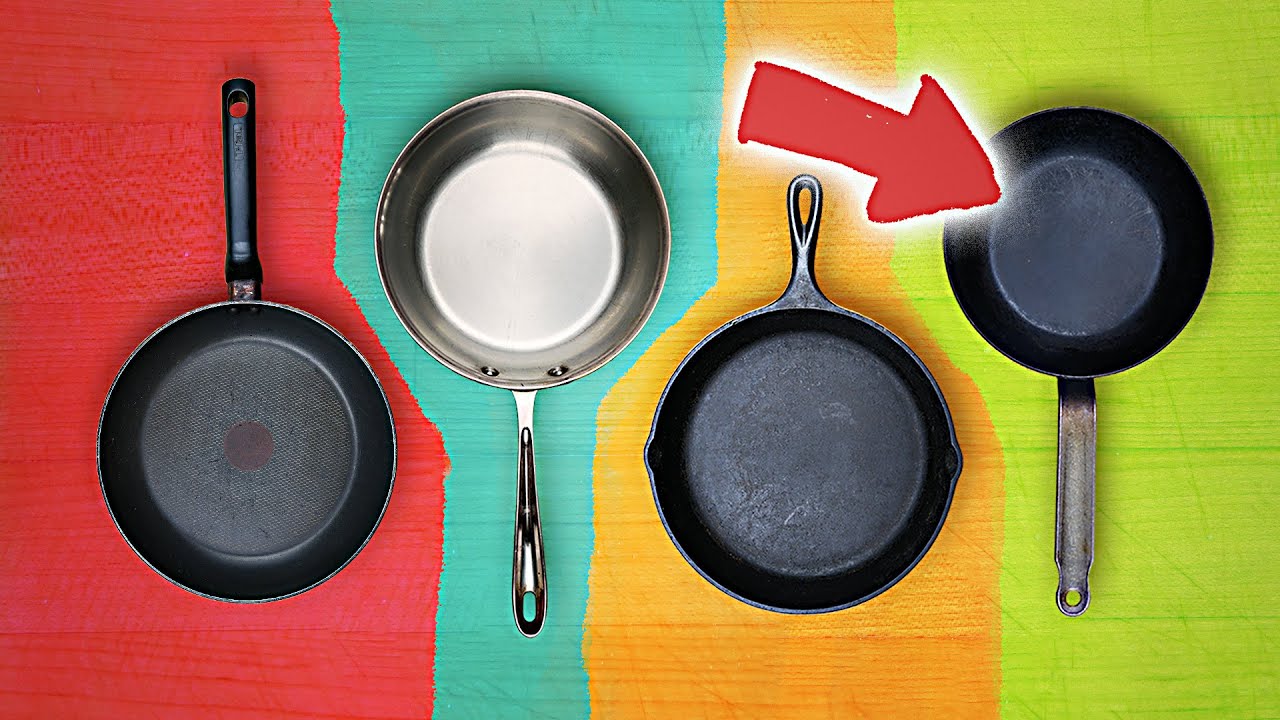
Walk due to any cookware segment and also you’ll spot the two forged iron and carbon metallic woks. At first look, they share similarities. Both are made out of iron-elegant alloys and each demand seasoning for height performance. Yet the adjustments run deeper than floor look or even weight.
Cast iron incorporates greater carbon than carbon metal, which implies it’s more brittle but also holds warmness longer. Most solid iron woks are thicker and heavier. In comparison, carbon metallic is solid thin, mild, and rather bendy. These actual houses don’t simply have an impact on how they experience inside the hand - they shape every thing from how you cook to the way you handle your wok 12 months after year.
Heat Performance: Speed, Control, and Searing
The middle of wok cooking lies within the dance of warmth. Stir-frying, in any case, is about swift, top-temperature cooking that produces the coveted “wok hei” - the slightly smoky, charred flavor that marks significant Asian delicacies.
Carbon steel woks reply to warmness like a sports activities car or truck hugging the curves of a mountain highway. Place one on a mighty burner and it heats up in under a minute. Adjust the flame, and also you’ll understand the amendment almost all of a sudden. This quickly responsiveness makes it possible for for proper manipulate, that's a must-have should you’re juggling smooth greens, thinly sliced meats, or at once reducing sauces.
Cast iron woks, alternatively, are extra like a sturdy pickup truck. They take longer to achieve cooking temperature - often times countless mins relying on thickness and stove strength. But as soon as warm, forged iron holds onto warm with tenacity. This would be a blessing for dishes that advantage from stable, even warm temperature or whilst searing sizeable items of meat.
The industry-off appears in the event you try and trade temperatures soon. If your garlic starts offevolved to brown too fast in a forged iron wok, turning down the flame gained’t cool matters off straight away; the pan’s thermal inertia potential it stays warm. Carbon metal offers quicker recuperation and version, which makes it more desirable perfect for vintage stir-frying methods.
Seasoning: The Art and Science of Non-Stick
Both cast iron and carbon metal woks depend upon seasoning for their average non-stick houses and rust resistance. Seasoning consists of forming layers of polymerized oil - really cooked-on fats - that bonds with the metallic floor over time.
When you buy a new carbon metal wok, it most likely arrives with a shielding coating that would have to be scrubbed off before its first use. After an intensive cleaning, chefs on a regular basis warmth the wok until eventually it smokes gently, then rub it with high-smoke-level oil (grapeseed, canola, or flaxseed are universal choices). Repeating this procedure builds up the signature black patina that will become slicker with each use.
Cast iron woks desire an identical healing, despite the fact that they may arrive pre-professional. Still, most pro wok users opt for to accumulate extra layers themselves, exceedingly on naked solid iron surfaces. The approach is slower by using the steel’s porous texture yet in some way results in a sturdy conclude.
A seasoned wok is the two a tool and a badge of honor - the darkish, glossy inside tells the story of endless food and attentive care. The style blessings are factual; seasoned woks impart subtle complexity to cuisine that no manufacturing unit coating can match.
Weight and Handling: Muscle Memory inside the Kitchen
Ask someone who chefs often with either styles and the 1st aspect they’ll point out is weight. A established 14-inch forged iron wok can weigh anyplace from 8 to twelve kilos empty, whereas a carbon metallic wok of the similar measurement regularly is available in at three to five pounds.
This change shapes how you employ the pan. With carbon metal, tossing parts turns into 2nd nature - the lightness invites circulate and aptitude. Flip shrimp with a flick of the wrist or shake the wok over the flame; the pan rewards agility and self assurance.
Cast iron woks require a steadier hand and steadily either palms, specifically whilst complete. Tossing cuisine is available however some distance less fluid. Some chefs with restrained wrist energy locate solid iron woks cumbersome for high-motion suggestions. On the turn facet, their heft gives steadiness - amazing for those who opt to avert the wok stationary and stir ingredients by using utensils by myself.
Durability: Built for Decades or Generations
Both cast iron and carbon steel woks can out survive their proprietors if dealt with good, but their paths to sturdiness vary.
Cast iron, with its thick frame and resistance to warping, shrugs off top warm and heavy use. I’ve considered century-historical cast iron pans nonetheless frying fowl in Southern kitchens, their surfaces almost glassy from generations of seasoning. In woks, this resilience translates right into a vessel that’s not going to warp or dent, however shedding possible spell crisis - even brilliant solid iron is brittle and will crack if mishandled.
Carbon metallic is troublesome in its possess way but more vulnerable to warping under intense warmth, rather if it’s thin and exposed to unexpected temperature transformations (like rinsing a scorching wok beneath bloodless water). Dents are uncommon until the pan is dropped or struck forcefully. With attentive care - drying after every one use, universal seasoning, keeping off lengthy acidic meals - carbon steel woks truly last a long time.
What does this mean in observe? For such a lot residence chefs, each varieties can grant twenty years or more of professional carrier. In business kitchens, in which methods are abused every single day and pace trumps sentimentality, carbon steel woks remain the quality due to their aggregate of sturdiness and rapid dealing with.
Care and Maintenance in Real Life
Here’s in which idea meets apply and in which individual conduct play a starring function.

Imagine a weeknight: you’ve simply done a spicy beef stir-fry and the youngsters are clamoring for noodles next. Do you might have time and staying power for careful cleanup? Or do you want a wok that forgives shortcuts?
A good-pro carbon steel wok cleans up with little greater than hot water and a soft brush or sponge. If bits stick, a bit salt and oil scoured with a paper towel do the trick. You have to dry it rapidly and rub on a skinny layer of oil to restrict rusting. Neglect this step a couple of times and specks of orange rust may perhaps show up, however those are smoothly scrubbed away if caught early.
Cast iron woks behave much the similar but require even stricter avoidance of moisture. Their thicker bodies can carry water longer, making thorough drying obligatory. I’ve discovered the arduous approach that storing a moist solid iron wok - even for an hour - results in persistent rust spots that take elbow grease and patience to get rid of.
Both kinds dislike the dishwasher and strong detergents; these strip away seasoning and invite rust. Acidic meals (like tomatoes or vinegar-heavy sauces) may want to be used sparingly till a deep seasoning has shaped, considering that acid eats away at the protecting layer.
Quick Care Reference
Here’s a tick list for caring for either kind of wok:
Wash right now after use with hot water and a tender brush. Dry properly over low warmth (a minute or two on the stovetop works). Wipe with a skinny coat of oil. Store uncovered in a dry location. Avoid prolonged cooking of acidic ingredients until seasoning is properly regular.Miss a step now and then? Don’t agonize; each models are forgiving if you capture themes early.
Edge Cases: When Each Shines or Struggles
Real kitchens rarely are compatible neat containers, so permit’s take a look at some situations where one fabric outperforms the opposite.
If you've got an induction cooktop, many carbon metallic woks will paintings good in view that they’re magnetic and shape an efficient flat-bottomed contact. Cast iron woks additionally role on induction yet their thickness can make them slow to warmness and more difficult to maneuver.
For outside wok burners or high-BTU fuel tiers, carbon https://laneghyi199.theglensecret.com/which-wok-is-easier-to-use-cast-iron-or-carbon-steel metal remains king. Its resilience at excessive heat and pale weight make it the default for boulevard providers and eating place chefs across Asia.
If you crave slow-cooked stews or braised dishes, forged iron rewards patience with regular, even warm and unmatched intensity of taste. I occasionally use my cast iron wok for making pink-braised red meat stomach; the end is forever smooth and wealthy.
On the alternative hand, if arthritis or restricted grip capability is an difficulty, carbon metal’s lighter construct opens up true wok cooking for those who would another way pull away from heavy cookware.
The “Wok Hei” Debate
No dialogue of wok supplies is complete with out concerning wok hei - the elusive breath of the wok that comes from sizzling warmth and rapid action.
Carbon steel, with its skinny walls and swift heat transfer, excels the following. The exceptional wok hei comes from roaring flames licking the sides of the pan as you toss noodles or vegetables with abandon.
Cast iron woks can gain some thing an identical however demand a little bit more patience and skill, since the walls don’t warmth up as effortlessly and the pan is harder to move over the flame.
That pronounced, a few house cooks swear via the sophisticated smokiness their solid iron wok imparts over years of use, insisting that flavor is outfitted up now not simply from hearth but from the accumulated seasoning itself.
Cost Considerations
Both sorts of woks are economical compared to top-stop clad stainless pans or copper cookware. A best carbon steel wok commonly prices among $30 and $60; bare cast iron woks latitude from $forty as much as $a hundred relying on manufacturer and size.
For most men and women, the expense change isn’t impressive ample to sway the determination - quite given the decades of use equally forms be offering if cared for properly.
Personal Experience: Lessons Learned
I’ve owned either forms for over fifteen years and feature cooked every little thing from Thai pad see ew to Sichuan dry-fried beans in each one. My first carbon metal wok was once a no-call Chinatown precise - thin as paper and costing much less than $20. After a few months of near-day to day use and frequent seasoning, it developed a nonstick floor that outperformed so much Teflon pans and under no circumstances regarded lower back.
My forged iron wok came from a rural marketplace in China, thick-walled and built like a battleship. It needs respect - I can’t toss it round flippantly - however I adore it for deep frying and sluggish-cooked braises after I have time to savour the job.
Both have survived minor overlook and the occasional hasty cleansing mistake. Both have rewarded me with flavors very unlikely to attain every other means.
Choosing What’s Right for You
The best suited wok is the one you’ll use constantly and handle willingly. If you prize agility and lightning-immediate response, carbon metallic grants unrivaled overall performance for classic stir-fries. If you importance steadiness, heat retention, and the skill to address stews or deep-frying devoid of worry of warping, solid iron has a good deal to counsel it.
Either will serve you well for many years once you build up seasoning patiently and evade high moisture or harsh chemicals. A neatly-cared-for wok turns into no longer only a cooking instrument but an heirloom - a vessel that carries the reminiscence of every meal shared around your table.
When evaluating cast iron wok vs carbon metal, take into accout that both gift fingers-on care and interest in the kitchen. The determination comes right down to your sort, your stove, and the tales you wish your cookware to inform.