The sizzle of garlic hitting scorching metallic. The rush of smoke while soy sauce kisses a sparkling pan. Stir-frying is extra than a way - it’s a rhythm, a dance between food and heat. At the center of all of it is the wok, a section of cookware which will make or damage your kitchen adventures. If you’ve ever wandered the cookware aisle or trawled on-line forums, you’ve run into the basic debate: forged iron wok vs carbon metal, exceptionally in terms of gasoline and electric stoves. The resolution isn’t essential, since the excellent selection relies upon in your range, your cooking genre, and what you prefer from your wok.
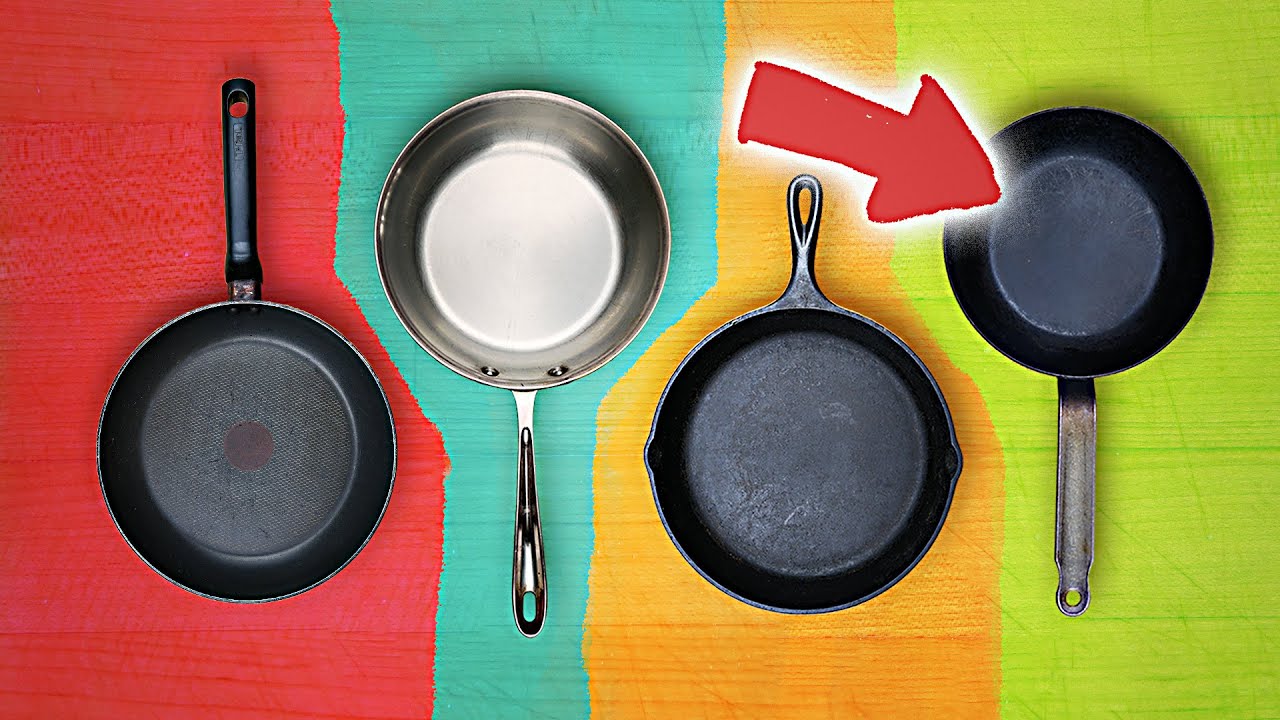
Let’s get into the precise-international facts - the kind you basically be taught from years of stir-frying, seasoning, and (certain) the occasional kitchen mishap.
The Essential Qualities of a Wok
A wok appears to be like ordinary: a wide, round-bottomed pan with sloping facets. But every element matters. The metallic, thickness, or even the handles form your cooking.
A first rate wok will have to warmness promptly, distribute that warmth calmly, and respond to differences swift. It should allow you to toss cuisine with ease and strengthen that elusive “wok hei” - the breath of the wok, a smoky style prized in Chinese food. Versatility is crucial too: you’ll wish to deep-fry, steam, or braise in your wok, no longer simply stir-fry.
The two so much prevalent constituents for a wok are forged iron and carbon metal. Each brings designated benefits and business-offs. But they interact in another way with fuel and electric stoves, and those variations grow to be glaringly glaring in day by day use.
Cast Iron Woks: Heft, Heat, and Heritage
If you’ve ever treated a cast iron skillet, you’ll determine the conventional weight of a solid iron wok. Traditional Chinese cast iron woks are assuredly thinner than Western skillets, but still tons heavier than their carbon steel counterparts. Cast iron holds heat like few different components. Once hot, it stays sizzling. This makes it choicest for searing and for dishes in which you would like steady, even heat.
But heft comes with bags. Tossing cuisine in a heavy wok can pressure your wrist, fantastically when you’re stir-frying for more than a couple of minutes. Moving a solid iron wok from range to sink is a two-surpassed operation for maximum men and women.
One of the largest attracts of solid iron is its talent to improve a deep, naturally nonstick patina with correct seasoning. Over time, this sediment will become pretty much slick, making it you'll to fry eggs or gentle fish with no sticking. That noted, solid iron is more brittle than carbon metallic. Drop a solid iron wok from counter peak onto tile and it's possible you'll grow to be buying a replacement.
Cast iron woks also tend to be less delicate to short alterations in warm. If you overshoot the temperature, it takes longer to calm down. This might be a blessing or a curse, based for your dish.
Carbon Steel Woks: Lightness, Agility, and Tradition
Walk into any bustling Chinese eating place kitchen and you’ll likely see carbon steel woks in movement. There’s a reason why for that. Carbon steel is lighter than solid iron and responds to warmth lightning-quickly. For dishes that call for break up-2nd timing - imagine mushy vegetables or speedy-fried shrimp - that responsiveness is valued at its weight in gold.
A carbon metallic wok heats up right now and cools down just as speedy. You can go from searing to simmering with a common flick of the burner. This agility makes carbon metallic woks ultimate for top-heat stir-fries the place you need crisp vegetables and seared meat but don’t need to overcook anything else.
Just like solid iron, carbon metal woks broaden a seasoned floor through the years. The extra you cook (and the more fat you use), the stronger it gets. But carbon steel may be susceptible to rust if left wet or unseasoned for long classes. Unlike forged iron, it’s much less seemingly to crack or shatter if dropped.
Gas Stoves: The Wok’s Natural Habitat
The open flame of a gas range is tailored for wok cooking. Traditional round-bottomed woks nestle into the flames, letting warmness wrap up the edges. With a sensible turn of the knob, you get rapid handle over your firepower - central for reaching that smoky wok hei style.
Both forged iron and carbon metallic shine on gas stoves, but in the several methods. Carbon steel woks warm up blazingly instant and will let you toss food instantly via the hottest component to the flame. Their lighter weight makes tossing simpler, and their responsiveness lets you modulate warmth in truly time.
Cast iron woks take longer to preheat on gas but advantages endurance with steady, even warm temperature. If you’re cooking dishes that desire longer simmering or deep-frying at a strong temperature, forged iron is a fabulous ally. The in simple terms capture: flipping and tossing meals takes more muscle. The further mass may also block some of the flame from licking up the sides, pretty in case your stove isn’t high-powered.

If your fuel burner has a wok ring or cradle, either fabrics paintings good. But in case your range struggles to provide severe warmness (feel basic dwelling ranges as opposed to eating place burners), carbon metal’s quick response presents it an area for speed.
Electric Stoves: Adjusting Expectations
Electric stoves gift an excessively extraordinary difficulty for wok users. Coil or glass-ceramic heating supplies supply slower, less targeted warm when put next to gasoline flames. Round-bottomed woks don’t make complete contact with flat electrical burners, so warmness transfer suffers.
Flat-bottomed woks are continuously advocated for electrical stoves considering that they sit flush towards the factor. Both forged iron and carbon metal are reachable in flat-bottom designs now, notwithstanding purists may possibly wince on the compromise.
Carbon metal’s short responsiveness becomes much less appropriate on electric powered burners considering that changes in knob location take place steadily - there’s no immediate surge of heat less than your pan. Still, carbon metallic’s lighter weight makes maneuvering more uncomplicated while area is tight and flipping food is awkward.
Cast iron woks retain their potential of regular warmness after they’re warm however can take an age to achieve cooking temperature on an underpowered electric powered coil. That observed, as soon as sizzling they maintain onto warm temperature at the same time as the coil cycles on and rancid. For deep frying or stewing on an electrical stove, cast iron can outperform carbon steel easily by using conserving temperature more effective.
One issue to word: glass-precise stoves is additionally scratched via tough or unpolished cookware bottoms. Cast iron is notorious for this; so is unfinished carbon metal. Some brand new woks have smoothed bases to cut back scratching probability however regularly determine your organization recommendations until now dragging any heavy pan throughout mushy glass.
Real-World Cooking: What Changes With Each Combo
Imagine stir-frying red meat with broccoli on a 15,000 BTU gas number utilizing a 14-inch carbon steel wok. You really feel quick warmth as quickly as you put down your marinated red meat strips. You toss them into the hottest spot above the flame and notice them sear at once with slightly any sticking. Seconds later, you push them aside to make room for broccoli florets - they hit the metal with a lovely hiss and pick out up coloration devoid of losing crunch.
Now change in a heavy solid iron wok on that identical burner. You desire a different minute or two to preheat utterly however as soon as warm, each component of the floor presents you even browning and little menace of burning one spot even as a further remains light. Tossing feels like arm day on the gym however your red meat develops an unbeatable crust way to sustained high temperatures.
Try both wok on an older electric powered coil stove and matters switch once more. A flat-bottomed carbon steel wok heats inconsistently except you circulation it round continually; flipping materials requires more wrist movement considering that you'll be able to’t tilt it surely into the coil like you'd with gasoline flames rising up the edges. A flat-bottomed forged iron wok may think sluggish out of the gate however holds onto its exhausting-earned warmth whilst drive cycles up and down underneath it.
Maintenance Realities: Seasoning, Rust, Cleanup
Both cast iron and carbon metallic call for care beyond essential soap-and-water cleaning routines primary with nonstick pans or stainless pots.
Seasoning just isn't optionally available - that's imperative for setting up nonstick residences and fighting rust. The course of comes to heating oil till it polymerizes onto the metallic surface, construction up layer by layer on every occasion you prepare dinner fatty meals or intentionally season after washing.
Carbon metal tends to construct seasoning quicker than Western-vogue thick solid iron pans easily given that its thinner metal heats more swiftly and calmly for the duration of seasoning periods. However, either substances will lose their protective layer if scrubbed aggressively with harsh detergents or scouring pads.
If you leave both style of wok rainy after cleansing (or worse yet soak it), expect orange flecks of rust inside of hours in humid stipulations. This isn’t fatal; maximum mild rust is usually scrubbed away until now reseasoning yet popular neglect will shorten any wok's lifespan.
For people that would like minimal fuss: present day preseasoned chances exist for both parts yet nonetheless get advantages from generic repairs rituals at house.
Practical Pros and Cons: Quick Reference
Here’s a facet-via-part study how those resources stack up across key explanations:
| Feature | Cast Iron Wok | Carbon Steel Wok | |------------------------|---------------------------------|-----------------------------------| | Weight | Heavy (above all gigantic ones) | Light - light tossing | | Heat Retention | Excellent | Good yet cools sooner | | Heating Speed | Slow to preheat | Rapid response | | Nonstick Potential | Excellent while seasoned | Excellent when pro | | Rust Risk | High if left out | High if unnoticed | | Durability | Can crack/destroy if dropped | Can dent/warp however rarely breaks | | Price Range | $30-$one hundred+ | $20-$70+ | | Suitable Stove Types | Gas/electrical (flat backside optimal) | Gas/electric powered (flat backside major) | | Handling | Requires force | Easy one-hand use |
When To Choose Cast Iron Over Carbon Steel
If your cooking leans toward dishes that benefit from light simmering or steady deep-frying - consider purple-braised red meat belly or crispy spring rolls - cast iron excels by way of holding temperature by using thick and skinny. Those with endurance for preheating will realize its forgiving nature if they occasionally wander away mid-cook dinner with no concern of burning half their dinner even though saving the opposite 1/2 from being underdone.
On underpowered electrical stoves where turbo heating isn’t you will besides, cast iron https://andersonxzsi233.lowescouponn.com/cast-iron-wok-vs-carbon-steel-for-gas-and-electric-stoves-1 may well unquestionably outperform carbon metallic for consistency on my own.
There’s also a thing deeply pleasing approximately by means of cookware that feels noticeable - many cooks love that “heirloom” vibe in basic terms heavy forged iron supplies.
When Carbon Steel Wins Out
Speed demons who love excessive-warmness stir fries loaded with crisp veggies or thin-sliced meats will uncover carbon metal hard to conquer - certainly on effectual gasoline ranges where responsiveness subjects most.
If wrist fatigue is proper (as it's for plenty homestead cooks), lighter carbon metallic makes tossing nutrition it is easy to even if operating with better 14-inch versions loaded down with dinner pieces for 4 or extra employees.
Those who take pleasure in immediate-hearth cooking classes where dishes keep on with every single other in quickly succession will relish how at once carbon metal cools down between duties - no lengthy waits in your pan to drop from blistering sizzling to viable heat beforehand opening whatever thing new.
Myths Worth Busting
A few misconceptions float round approximately each constituents:
- Some imagine all Chinese restaurants use in basic terms one kind of wok; in certainty such a lot reputable kitchens elect carbon steel for practicality yet heavy-accountability solid iron does look in a few regional cuisines. Others worry all carbon metal woks warp instantaneously over high heat; warping takes place mostly whilst thin-gauge inexpensive units are used improperly or stunned with chilly water while screaming hot. Some imagine revolutionary nonstick-coated woks are “larger” for dwelling cooks scared of rust or seasoning repairs; even though these traditionally fail less than severe warmth required for proper stir-frying and is not going to reflect correct wok hei flavors. Many americans feel they "ruined" their pan if rust looks; minor rust is usually fixed via scrubbing with salt or advantageous steel wool then reseasoning. Finally: a flat-bottomed wok might also offend purists however works flawlessly nicely for maximum house chefs using innovative stoves - don’t permit way of life dictate what works prime for your kitchen realities.
Small Details That Matter
Handles deserve mention the following: conventional Chinese woks recreation two brief metal handles (“ears”), even though Western-marketplace units oftentimes add a long stick control for less demanding tossing on Western stoves. Cast iron versions may additionally have incorporated handles that get ultra hot at some stage in use - all the time preserve oven mitts close by while handling these pans immediately from fire to desk.
Diameter also performs a position: 12-14 inch fashions fit families most interesting but would possibly crowd smaller burners; solo cooks may possibly decide on 10-12 inches for swifter heating and more convenient maneuverability.
For glass-correct electrical stoves: look for out fashions advertised as “clean backside” or “polished base,” in spite of materials chosen; this reduces scratching risk considerably devoid of sacrificing functionality.
Making Your Choice: A Practical Checklist
With most of these industry-offs swirling round, the following’s one concise listing to guide steer your very last resolution:
Stove Type: Gas favors around-bottom carbon steel; electric powered works bigger with flat-bottomed variants of either cloth. Cooking Style: High-warmness stir fries name for carbon metal; simmering/braising is going nicely with solid iron. Strength & Handling: Choose in accordance with what feels completely satisfied lifting/tossing when loaded. Patience Level: If watching for preheat annoys you, move carbon steel. Maintenance Willingness: Both require seasoning yet neither likes sitting rainy; desire what fits your care habits most desirable.Finding Your Perfect Wok
No single reply fits every cook dinner or kitchen while weighing cast iron wok vs carbon metal - relatively given how wildly stove models differ in actual homes all over the world. What subjects most is matching your priorities to what both drapery deals instead of chasing a few mythical “great.”
If I had only one fit in my cupboard? I’d lean closer to a 14-inch flat-bottomed carbon steel style for sheer versatility across range sorts - straight forward handling on busy weeknights yet succesful enough for ambitious weekend initiatives involving deep-fried dumplings or sluggish-braised goodness alike.
But my neighbor? She swears by her inherited solid iron wok exceeded down from her grandmother in Guangdong province - battered edges and all - claiming not anything else gives you incredibly the comparable soul-warming effects when she simmers soy sauce fowl every Sunday night.
Either way: put money into high-quality from professional manufacturers (stay away from extremely-thin good deal boxes), decide to commonly used seasoning rituals no matter materials chosen, and enable event advisor long term upgrades as your talents develop alongside your style buds.
Your perfect stir-fry awaits - elect your associate properly and appreciate endless scrumptious foodstuff beforehand.