Asian cooking is a dance of heat, circulation, and timing. The perfect wok transforms that choreography from a slipshod shuffle to a nimble waltz. For dwelling house cooks and pros alike, the talk continuously circles round two essential contenders: the solid iron wok and the carbon metal wok. Both are steeped in heritage, each have their champions, and equally can deliver mouthwatering consequences. But what units them apart in perform? And which ideally suited suits your personal kitchen? I’ve spent a long time in the back of the stove, in restaurant kitchens and at homestead, chasing that elusive breath of the wok - wok hei - and I’ve cooked with each ingredients underneath all different types of prerequisites. Let’s unpack their strengths and quirks, and notice how they shape reliable Asian cooking.
The Soul of Stir-Fry: Why Wok Choice Matters
Woks don't seem to be simply pans. They are the heart of Asian kitchens, developed for high warm, fast action, and versatility. The subject matter of your wok shapes every little thing: how briefly it heats, the way it holds temperature, how cuisine sears or steams, even the way it tastes through the years. The wrong pan can turn a energetic stir-fry right into a limp pile of vegetables. The excellent one supplies crisp edges, smoky aroma, and a hurry of recent style in seconds.
When you hear “Cast Iron Wok vs Carbon Steel,” you’re truly asking: What variety of warmth do I prefer? How a whole lot do I care about seasoning and repairs? Do I value custom or comfort? The answers are hardly simple. Let’s investigate both alternative up shut.
Cast Iron Wok: Tradition, Weight, and Steadfast Heat
When people picture solid iron cookware, they many times suppose a Western skillet - heavy, black, developed to last generations. A forged iron wok leans into the ones comparable features however with an Asian silhouette: spherical backside, sloping aspects, two short loop handles or mostly a single stick take care of.
Cast iron woks are available in two predominant models. The first, heavy Chinese solid iron, is thinner than Western pans but still has weight. The 2d, broadly marketed inside the US, is a thicker variation extra like a skillet with wok-like curves. I’ve cooked with both, nevertheless the Chinese type is tougher to discover external Asia.
What does cast iron provide? For one thing, it’s a champion at preserving warmness. Once scorching, it stays hot - a boon for frying or searing proteins with out rapid temperature drops. It’s forgiving when you’re working with modest house fuel burners or electric powered coils, which wrestle to suit the one hundred,000 BTUs of a Cantonese restaurant flame.
This balance comes at a can charge: forged iron is gradual to warm up or settle down. If you overshoot your aim temperature, meals can scorch earlier you improve. Stir-frying demands agility - immediate tossing, adding constituents in succession. With cast iron, timing will become even greater extreme. You wait longer for the pan to preheat but get much less forgiveness for those who want to forestall or modify mid-movement.
Another aspect: cast iron has heft. Even the thinner Chinese editions are exceedingly heavier than carbon metallic woks of similar measurement. This weight presents self belief for braises or stews but makes flipping and tossing more frustrating - peculiarly one-handed. In my personal kitchen, I succeed in for solid iron once I prefer a rock-stable pan for deep-frying tofu or making long-simmered red-cooked pork abdominal, now not for quickly-fire vegetable stir-fries.
There’s additionally the query of seasoning and surface texture. Cast iron woks develop a nonstick patina over time if taken care of correct - popular oiling, gentle cleaning (under no circumstances soap), and sufferer use. However, their rougher floor (in particular on Western-made variants) potential some foods will stick until a deep seasoning builds up. Acidic sauces can strip that coating if left too long.
Carbon Steel Wok: Agility, Responsiveness, and Everyday Versatility
If there’s a workhorse of Asian kitchens, it’s the carbon steel wok. Almost every road vendor in Bangkok or relatives cook in Guangzhou makes use of one. The explanation why is evident: carbon metallic is pale, heats directly, and responds directly to changes in flame.
The regularly occurring carbon metallic wok feels animated inside the hand. Even a sizable 14-inch brand weighs less than 3 kilos as soon as seasoned. That approach tossing veggies or noodles with a flick of the wrist is easy - an foremost stream for purchasing each and every morsel in contact with searing-warm steel. The pan heats up fast and cools temporarily once you cross it off the burner. This responsiveness helps for precision: whilst garlic threatens to burn, you may save the dish by way of lifting the wok or dialing down the warmth.
A seasoned carbon metallic wok develops a slick patina that rivals Teflon over the years. The first few makes use of is usually sticky affairs, primarily with eggs or tofu, however with stable use and care (and averting the dishwasher in any respect bills), the floor darkens and smooths out beautifully. I nonetheless keep in mind my first carbon metallic wok - sold for $15 in a Chinatown save, blue-gray and uncooked out of the field - steadily turning sleek black after months of fried rice and kung pao chicken.
Carbon metallic does call for preservation. It rusts simply if left moist or uncovered to acid for lengthy sessions. After every one use, I dry mine over low heat at the burner and rub in a tiny drop of oil driving a wad of paper towel held with tongs. It’s a ritual as an awful lot as a chore. The present: nutrients lifts off cleanly, flavors remain pure, and the pan turns out essentially alive with use.
Side-through-Side: Comparing Key Attributes
Let’s line up the such a lot tremendous aspects that form day by day cooking with forged iron and carbon steel woks. This table displays hands-on experience with either styles over years in Asian kitchens.
| Attribute | Cast Iron Wok | Carbon Steel Wok | |--------------------|-------------------------------|-------------------------------| | Heat Retention | Excellent | Good | | Heat Responsiveness| Slow | Fast | | Weight | Heavy (four-eight lbs) | Light (2-four lbs) | | Seasoning | Builds slowly; rougher in the beginning| Builds briefly; tender floor| | Rust Resistance | Moderate (if pro) | Poor (calls for vigilance) | | Tossing/Tossability| Difficult | Easy | | Price Range | $30-$120+ | $15-$60 | | Durability | Can closing generations | Can ultimate generations | | Compatibility | Great for braising, deep-frying| Best for stir-frying, smoking |
Real-World Cooking: Where Each Wok Excels (and Falters)
Cast Iron Wok in Action
When I coach scholars tips to make Sichuan dry-fried red meat or Taiwanese three-cup chicken, a solid iron wok shines. These dishes want consistent heat over a longer length, not frantic tossing over an inferno. Cast iron holds oil temperature for deep-frying spring rolls with no wild fluctuations. Its mass adds self belief while simmering crimson-braised beef for hours with no worry of burning.
Where does it fall short? Quick stir-fries of tender veggies or scrambled eggs can stick stubbornly until eventually the seasoning will become wonderful. The weight also makes tossing demanding on smaller wrists; some workers basically set the wok on its ring and stir with spatulas as a replacement.
Carbon Steel Wok on the Front Line
If I’m making pad thai for a crowd or tossing snow peas with garlic in mins flat, most effective carbon metal will do. The pan leaps to life inside of seconds on high warm, letting me chase that fleeting wok hei - the smoky aroma prized in Chinese food. The lightweight layout invites move; flipping fried rice prime into the air feels average, not like weightlifting.
Of path, carbon steel punishes forget. Leave it rainy in a single day and rusty patches bloom. Scrub too arduous or prepare dinner acidic meals (like tomato-based totally sauces) for lengthy durations and the seasoning flakes off, requiring patience to rebuild.
The Myth of Nonstick: Seasoning as an Evolving Journey
Both material call for seasoning - a job of bonding oil to metal over repeated use till cuisine lifts free with little attempt. It’s tempting to search for out pre-seasoned woks or nonstick coatings as shortcuts, but those not often tournament the performance of a real patina.
Seasoning is as much about method as time. The first few food will regularly be messier: scrambled eggs stick, bits of chicken weld themselves to the base. Resist the urge to panic or scrub with soap. Instead, hold cooking oily meals (beef stomach works wonders), refreshing gently with hot water and a cushy brush, and dry safely. Over weeks, you’ll discover the switch: a black sheen develops on carbon metal; solid iron takes on a dark brown glow.
I’ve observed woks handed down by means of families, their surfaces so slick that fish slides off with slightly a nudge. This transformation most effective takes place by frequent use and care. In my personal kitchen, I retailer two woks facet by part: one carbon metal for each day stir-fries and eggs, one solid iron for deep-frying and lengthy-simmered dishes. Each tells its personal story thru layers of seasoning collected over years.

Handle Types, Shapes, and Ergonomics
Handles subject extra than many recognise. Traditional Cantonese woks game two brief metal loops, generally known as ears, which continue to be exceptionally cool and enable for reliable lifting with equally palms. Northern-form woks ordinarilly have a unmarried lengthy wood cope with plus a helper loop - perfect for tossing over open flames.
Cast iron woks by and large want loop handles because of the their weight; swinging one-handed is hazardous company unless you have forearms like a blacksmith. The stick deal with on carbon steel units makes tossing rice or flipping vegetables well-nigh playful.
I once watched an vintage chef in Guangzhou wield a sixteen-inch carbon steel wok like an extension of his very own arm, flicking pea shoots over roaring flames with practiced ease. Try that with an 8-pound cast iron monster and you’ll have in mind why take care of determination impacts no longer just consolation yet method itself.
The Role of Heat Source: Gas vs Electric vs Induction
A wok’s efficiency lives and dies by way of its warmness resource. Gas flames crown carbon steel as king: direct contact lets you superheat the metallic in seconds and keep an eye on temperature by moving the pan out and in of the fireplace. Cast iron benefits from gasoline too but is greater forgiving on electric powered coils via its steady warm retention.
Induction cooktops complicate things. Most carbon steel woks paintings properly in the event that they have enough flat touch zone; circular-bottomed models would possibly wobble or fail to set off induction sensors. Cast iron, being magnetic and heavy, sits firmly on induction surfaces yet takes its time to warmth up.
Flat-bottomed woks assist bridge these gaps for dwelling house cooks with no excessive-powered gas levels. In my feel, carbon metal flat-bottomed woks adapt leading to Western kitchens - they may lack some authenticity however convey true consequences on cut back-powered stoves.
Upkeep and Longevity: Rituals That Shape Flavor
No be counted your option, upkeep is section of the event. A pro wok is like an vintage friend: resilient, low-preservation, necessarily well prepared for one other meal - equipped you deal with it accurate.
Here’s a plain post-cooking care activities that works for each versions:
Rinse the wok beneath warm water although it’s nonetheless heat (in no way bloodless water on scorching cast iron). Scrub lightly with a cushy brush or bamboo whisk; restrict detergents. Dry entirely over low warm at the range. Rub in a skinny film of impartial oil (peanut or canola work nicely) even though nonetheless heat. Store exposed in a dry spot.Skip these steps https://lorenzosxvv087.tearosediner.net/cast-iron-wok-vs-carbon-steel-for-gas-and-electric-stoves-2 and rust will creep in, above all on carbon metallic. For obdurate stuck-on bits, boil water within the wok for a few minutes and loosen gently with a picket spatula.
Price and Value: What Are You Really Paying For?
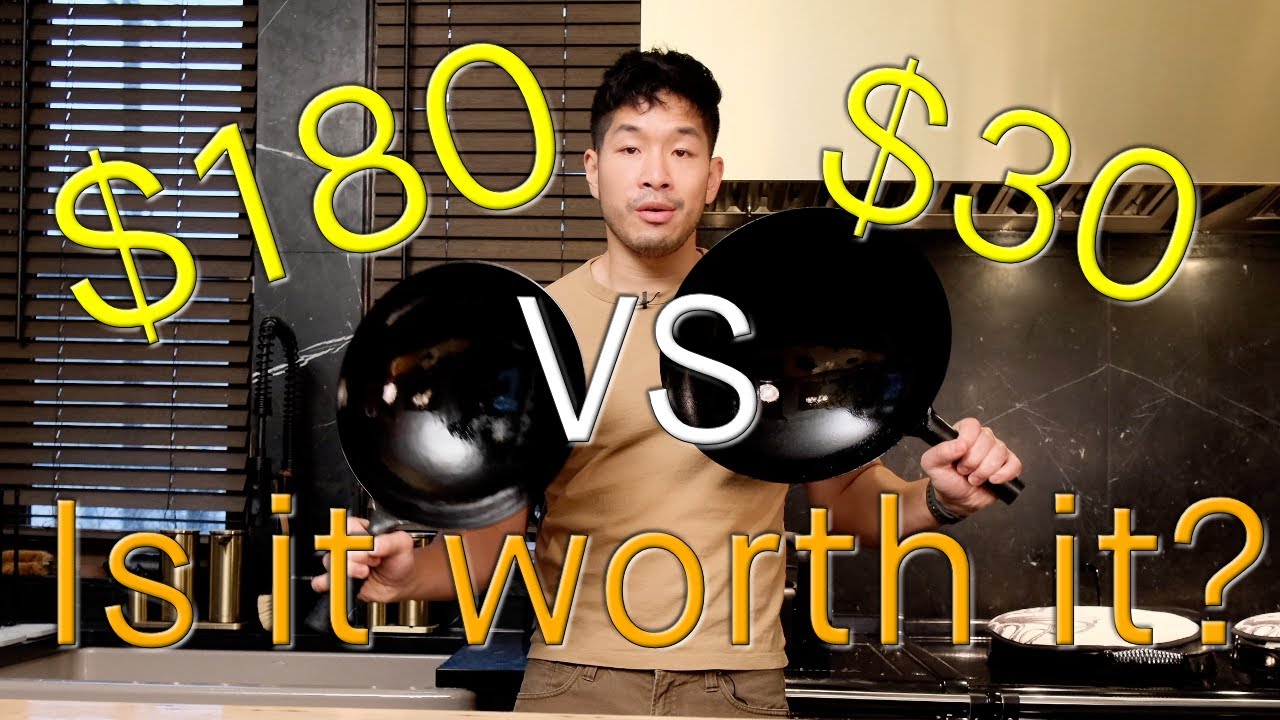
Genuine carbon metallic woks stay one of several major kitchen bargains. A cast 14-inch fashion from a Chinatown shop fees $20-$30; even branded variants rarely most sensible $60 except imported from Japan or Taiwan. Cast iron woks vary extra: Chinese types beginning round $forty yet can climb beyond $a hundred for thick Western-made brands like Lodge.
The true investment is time, now not dollars - seasoning your wok, gaining knowledge of its quirks, building trust with every single meal. A properly-maintained wok of either type will simply last many years and can turn into a family unit heirloom.
Choosing What Suits Your Kitchen
If your interest is top-warm stir-frying, making fried rice that dances with smoky aroma, or mastering speedy-cooked veggies, carbon metal brings unmatched agility and responsiveness. For people who deep-fry many times or love gradual-braised dishes that simmer for hours, forged iron rewards persistence with reliable heat and sturdy taste growth.
Some chefs retailer either on hand - grabbing carbon metal for weeknight ingredients and reserving solid iron for uncommon projects or when extra stability is required on an electrical range.
For first-timers with no entry to blazing fuel burners, start off with a flat-bottomed carbon steel wok. It adapts properly to such a lot Western stovetops and builds confidence quickly. Those who crave lifestyle or want to scan with long-simmered recipes deserve to accept as true with including cast iron later.
The Final Flavor
There’s no single “optimal” wok for each cook dinner or food - in basic terms what fits your behavior, stove variety, power, and flavor for ritual as opposed to convenience. Both cast iron and carbon metallic raise centuries of culinary wisdom inside their curves; equally gift care and punish forget; both develop into sensible ingredients into special foodstuff when treated effectively.
My very own kitchen tells the story: battered carbon metallic for lightning-rapid stir-fries during busy nights; sturdy solid iron once I crave deep-fried dumplings or crimson-cooked pork that melts lower than chopsticks. Each has earned its area with the aid of years of loyal provider - and continues shaping new flavors everyday.
If you’re just establishing out for your own journey into real Asian cooking, don’t pressure over perfection or pedigree. Choose the wok that matches your rhythm and embody its quirks as part of your culinary event. The real secret lies no longer in the steel itself but in how you use it - with interest, staying power, and pleasure at every meal.